













Packaging decisions increasingly sit at the intersection of performance, cost control, and sustainability. Industrial operations that ship sensitive, high-value, or irregularly shaped components often rely on convoluted foam to manage shock, vibration, and surface protection. Its distinctive egg-crate profile has long been associated with protective performance, but growing sustainability expectations are shifting attention toward what happens after the first use cycle.
As environmental reporting standards tighten and waste-reduction goals become more formalized, questions about reuse and recycling are no longer secondary considerations. For industrial packaging systems, understanding whether convoluted foam can be reused or recycled requires a closer look at material behavior, handling conditions, and operational realities across supply chains.
What Is Convoluted Foam and How Is It Commonly Used in Packaging?
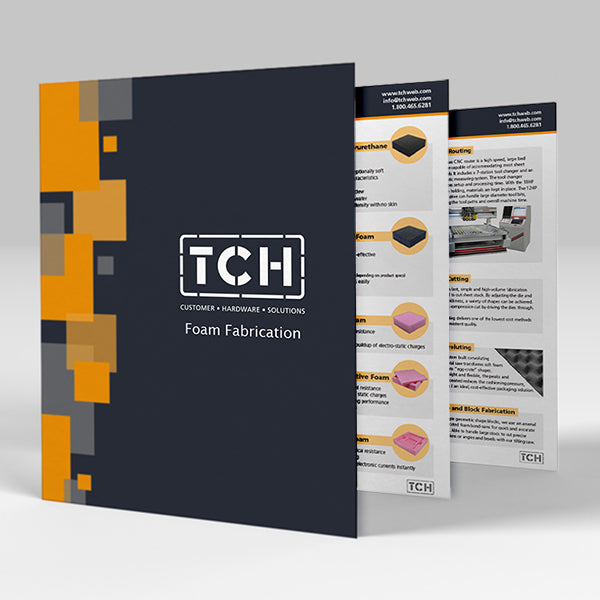
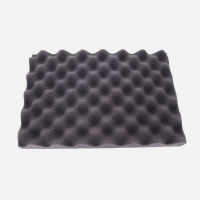
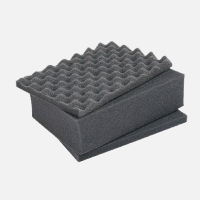
Convoluted foam is a flexible foam material shaped into a patterned surface of peaks and valleys. This geometry increases surface contact while allowing controlled compression, making it effective for cushioning and impact absorption. In industrial packaging, it is commonly supplied asconvoluted foam sheets or fabricated inserts that cradle components within cases, crates, or returnable containers.
The structure distributes load evenly, reduces point pressure, and accommodates dimensional tolerances without excessive material thickness.Eggshell foam sheets are frequently used in applications where repeated opening, closing, and repositioning occur, such as equipment transport cases, spare part kits, and protective dunnage for assemblies with protrusions or sensitive finishes.
Why Reusability Matters in Industrial Packaging Systems
Reusability directly influences packaging lifecycle costs, waste volumes, and environmental reporting metrics. Single-use protective materials often perform well initially but create disposal challenges at scale. For industrial operations managing high shipment volumes, even small improvements in reuse rates can translate into significant reductions in landfill contributions and procurement frequency.
Beyond environmental considerations, reusable packaging supports consistency and risk reduction. When packaging materials maintain performance across multiple cycles, damage rates become more predictable, and replacement schedules can be planned rather than reactive.
Can Convoluted Foam Be Reused? Key Performance Factors
Convoluted foam can be reused under the right conditions, but performance retention depends on several critical factors. The compression set is one of the most important considerations. Repeated loading gradually reduces the foam’s ability to recover its original shape, which directly affects cushioning effectiveness.
Material density and foam chemistry also play a role. Higher-quality foams tend to retain resilience longer, making them more suitable for multi-cycle use. Exposure to oils, solvents, UV light, or excessive heat can accelerate degradation, limiting reuse potential in harsher environments. Cleanliness is another determining factor, particularly in regulated industries where contamination risks must be controlled.
Best Practices for Reusing Convoluted Foam in Industrial Environments
Successful reuse strategies rely on controlled handling and inspection processes. Visual checks for tearing, permanent deformation, or surface breakdown help identify when foam no longer provides adequate protection. Rotation schedules can extend service life by distributing wear across multiple units rather than concentrating it in a single application.
Designing packaging systems that allow foam inserts to be removed and replaced independently of outer containers also improves reuse efficiency. When convoluted foam sheets are treated as modular components rather than disposable fillers, they integrate more effectively into returnable packaging programs.
Is Convoluted Foam Recyclable? Understanding Material Limitations
Recyclability depends largely on foam type and local processing capabilities. Many convoluted foams are polyurethane-based, which presents challenges for traditional recycling streams. The low density and elastic nature of foam make collection, transportation, and mechanical recycling less efficient compared to rigid plastics.
Contamination further complicates recycling efforts. Foam exposed to adhesives, coatings, or industrial residues often falls outside acceptable recycling specifications. While some specialized recyclers accept clean foam for reprocessing into carpet underlay or rebonded products, access to these programs varies significantly by region.
How Industrial Facilities Manage Convoluted Foam Recycling
Industrial facilities that pursue foam recycling typically work with specialized waste partners rather than municipal programs. Segregation at the source is critical, as mixed waste streams reduce recycling viability. Compaction or densification may be used to improve transport efficiency, although this adds operational complexity.
In some cases, facilities opt for closed-loop programs where foam scrap generated during fabrication is captured and redirected to secondary applications. While post-consumer foam recycling remains limited, pre-consumer and controlled-use materials offer more consistent outcomes.
Reuse vs Recycling: Which Delivers Better Sustainability Outcomes?
From a lifecycle perspective, reuse generally delivers stronger sustainability benefits than recycling. Each additional reuse cycle delays disposal and reduces the need to produce new material. Energy inputs associated with recycling, including collection and processing, can outweigh the benefits when reuse options are available.
Recycling remains important when foam no longer meets performance requirements. However, prioritizing reuse aligns more closely with waste reduction hierarchies and corporate sustainability frameworks focused on material efficiency rather than solely on end-of-life solutions.
Design Strategies That Improve Reusability and Recycling Potential
Packaging design plays a decisive role in sustainability outcomes. Selecting foam densities that balance protection with durability improves reuse potential. Avoiding permanent bonding methods allows foam components to be cleanly separated at the end of life.
Standardizing insert dimensions across product lines can also increase reuse rates by enabling redistribution rather than disposal when product configurations change. Thoughtful design decisions made early in the packaging process often determine whether convoluted foam becomes a long-term asset or a short-lived consumable.
Regulatory and Corporate Sustainability Considerations
Environmental reporting requirements increasingly demand transparency around packaging materials. Regulations governing waste reduction, extended producer responsibility, and material traceability influence how foam packaging is specified and managed.
Corporate sustainability initiatives often set internal targets for waste diversion and material reuse. Aligning packaging strategies with these goals requires documentation, performance tracking, and collaboration with suppliers that can support sustainable material choices.
When Convoluted Foam May Not Be the Right Sustainable Choice
Despite its advantages, convoluted foam is not always the optimal solution. Applications involving extreme contamination, high thermal exposure, or limited return logistics may undermine reuse and recycling efforts. In such cases, alternative materials or hybrid packaging systems may offer better alignment with sustainability objectives.
Evaluating foam performance in real operating conditions remains essential. Sustainability outcomes improve when material selection reflects both environmental intent and operational practicality.
Balancing Performance and Sustainability in Foam Packaging
Sustainability in industrial packaging rarely hinges on a single decision. Convoluted foam offers meaningful reuse potential when selected, handled, and designed with lifecycle performance in mind. Recycling options exist but remain dependent on material type and regional infrastructure. Prioritizing reuse, modular design, and controlled handling delivers the most consistent environmental benefits.
For organizations evaluating protective packaging strategies, TCH supports informed material decisions that balance durability, protection, and sustainability goals. From customconvoluted foam roll solutions to engineered packaging systems, TCH works with industrial teams to reduce waste without compromising performance.
Contact us today to discuss packaging designs that support long-term operational and environmental objectives.
Also read: 5 Common Uses of Convoluted Foam in Industrial Packaging


