







Packaging decisions often determine whether a product arrives intact or damaged. From fragile electronics to heavy industrial components, the right cushioning material absorbs shock, limits vibration, and protects surfaces throughout storage and transit. Among the many options available today, convoluted foam stands out for its ability to combine cushioning with airflow, making it a familiar sight in protective cases and transit packaging across industries.
What makes packaging foam especially valuable is its adaptability. Different foam structures, densities, and material compositions serve very specific purposes. Understanding these variations helps manufacturers, distributors, and logistics teams select solutions that balance protection, cost, and performance without unnecessary overengineering.
What Is Packaging Foam?
Packaging foam refers to a range of cellular materials designed to cushion, protect, and stabilize products during handling, shipping, and storage. These foams can be rigid or flexible, open-cell or closed-cell, and engineered to resist impact, compression, moisture, or static electricity.
Beyond simple cushioning, packaging foam can also provide insulation, surface protection, and precise product positioning. This versatility explains its widespread use across electronics, medical devices, automotive components, aerospace parts, and consumer goods.
Factors That Determine the Right Packaging Foam
Several factors influence the selection of packaging foam. Product weight and fragility play a major role, as heavier items require higher-density foams to prevent bottoming out. Environmental exposure, such as moisture, temperature changes, or static sensitivity, also affects material choice.
Other considerations include packaging volume, reusability, regulatory requirements, and cost efficiency. When these elements are evaluated together, foam selection becomes a strategic decision rather than a commodity purchase.
1. Polyethylene (PE) Foam
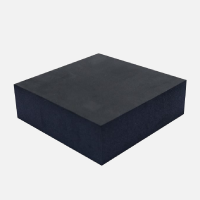
Polyethylene foam is a closed-cell material known for durability, moisture resistance, and consistent shock absorption. It performs well in repeated-use packaging and is commonly used for industrial parts, tools, and equipment.
Its resistance to chemicals and low water absorption make PE foam suitable for long-distance shipping and warehouse storage where environmental conditions may fluctuate.
Also read: 7 Key Benefits of Using PE Foam for Packaging and Protection
2. Polyurethane (PU) Foam
Polyurethane foam is typically open-cell and valued for its softness and flexibility. It conforms easily to product shapes, providing gentle cushioning for delicate items such as electronics or cosmetic products.
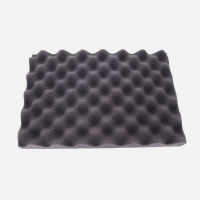
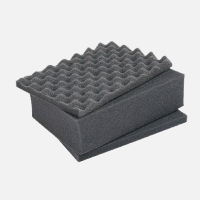
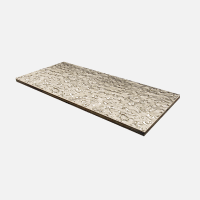
Variants such asconvoluted foam sheets andeggshell foam sheets fall under this category. Their textured surface enhances airflow and compression control, helping distribute pressure evenly across the product surface.
3. Expanded Polystyrene (EPS) Foam
Expanded polystyrene foam is rigid and lightweight, offering excellent impact resistance for heavy or fragile goods. Molded EPS inserts are frequently used for appliances, electronics, and temperature-sensitive shipments.
While not flexible, EPS provides structural stability and predictable performance under compression, making it ideal for one-time shipping applications.
4. Cross-Linked Polyethylene (XLPE) Foam
Cross-linked polyethylene foam features a finer cell structure than standard PE foam, resulting in smoother surfaces and enhanced strength. This foam resists tearing and abrasion while maintaining excellent shock absorption.
XLPE foam is commonly selected for medical equipment, high-value electronics, and precision instruments where consistent performance is critical.
5. Polyethylene Plank Foam
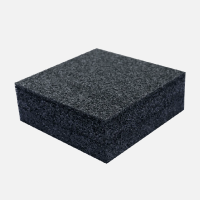
Polyethylene plank foam is manufactured in thick blocks or planks, which are later fabricated into custom inserts. It offers high load-bearing capacity and long-term durability.
This foam type is well-suited for reusable packaging systems, custom cases, and heavy industrial components that require robust protection over multiple shipping cycles.
6. Anti-Static Foam
Anti-static foam is designed to dissipate static charges that can damage sensitive electronic components. It reduces static buildup without conducting electricity, making it suitable for circuit boards and electronic assemblies.
Its cushioning properties are similar to those of standard polyurethane foams, but it features added surface treatments or formulations to control electrostatic discharge.
7. Conductive Foam
Conductive foam provides a higher level of electrostatic protection by actively conducting static charges away from sensitive components. It is commonly used for semiconductor devices and advanced electronic packaging.
Although more specialized and costly, conductive foam plays a critical role in preventing electrostatic damage during handling and transport.
8. EVA Foam (Ethylene Vinyl Acetate)
EVA foam combines flexibility with toughness, offering excellent shock absorption and resistance to cracking. Its smooth surface and aesthetic finish make it suitable for both protective and presentation packaging.
This foam is often used in custom cases, promotional packaging, and applications where appearance matters alongside protection.
9. EPP Foam (Expanded Polypropylene)
Expanded polypropylene foam is lightweight yet highly resilient, capable of absorbing repeated impacts without permanent deformation. It performs well in automotive, aerospace, and reusable transit packaging.
EPP foam also offers sound thermal insulation and chemical resistance, adding to its versatility in demanding environments.
10. Foam-in-Place Packaging
Foam-in-place systems create custom cushioning on demand by expanding around the product inside the package. This method ensures a precise fit and minimizes movement during shipping.
It is particularly effective for irregularly shaped items or mixed product shipments where pre-fabricated inserts may not be practical.
11. Laminated Packaging Foam
Laminated packaging foam combines multiple foam layers or bonds foam to other materials, such as films or fabrics. This approach enhances strength, abrasion resistance, or moisture protection.
Laminated solutions are often used in returnable packaging and in specialized industrial applications that require layered performance characteristics.
How to Choose the Right Packaging Foam for Your Application
Selecting the appropriate packaging foam involves balancing protection requirements with operational realities. Load-bearing needs, fragility, environmental exposure, and frequency of use must all be considered together.
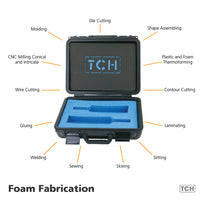
Custom fabrication often plays a key role, allowing foam to be tailored precisely to product dimensions and performance requirements. This ensures consistent protection while avoiding excess material or cost.
Selecting Packaging Foam for Reliable Protection
Reliable packaging protection begins with understanding how different foam types perform under real-world conditions. From soft polyurethane options to rigid structural foams, each material serves a distinct purpose within the packaging ecosystem. When cushioning, durability, and handling requirements align, product damage risks decrease significantly.
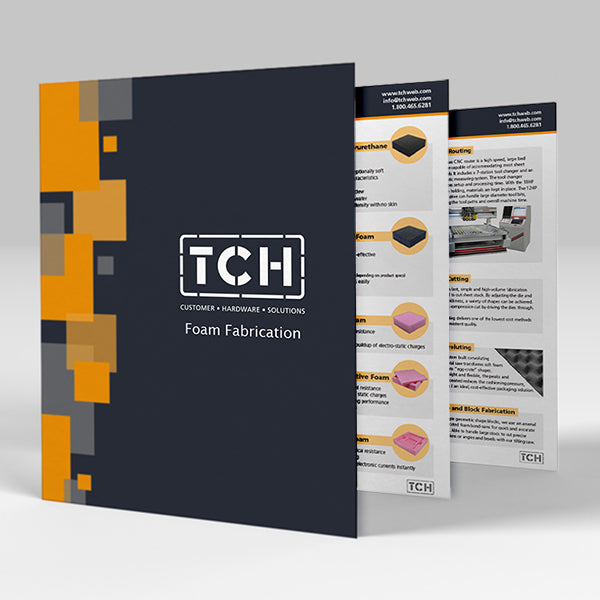
TCH supports manufacturers and distributors with engineered foam solutions designed for performance, consistency, and long-term value. Whether the requirement involves custom inserts, protective cases, or solutions incorporating a convoluted foam roll, the right material selection makes a measurable difference.
Connect with TCH to discuss packaging foam solutions built for dependable protection and efficient logistics.
Also read: 5 Common Uses of Convoluted Foam in Industrial Packaging


