




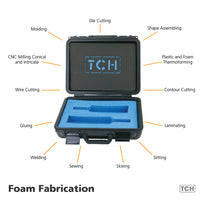


Industrial facilities face demanding conditions where both air and water quality play critical roles in equipment performance and workplace safety. From filtering dust and debris in HVAC systems to managing liquid impurities in specialized processes, reliable filtration materials are essential to keep systems running smoothly.
Among the most adaptable solutions,polyurethane acoustic foam stands out for its lightweight design, versatility, and filtration efficiency. Available as both acoustic foam sheets and acoustic foam panels, these materials are engineered to trap contaminants, improve airflow, and extend the life of machinery. The choice between sheets and panels depends on specific industrial applications, maintenance needs, and long-term cost considerations.
1. Understanding Acoustic Foam Sheets
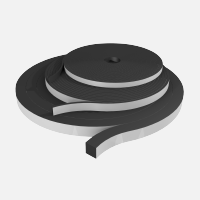
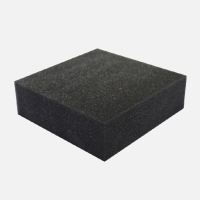
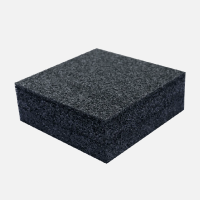
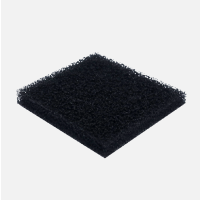
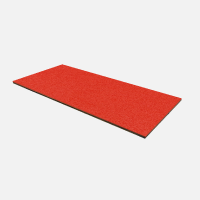
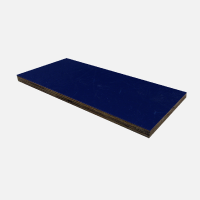
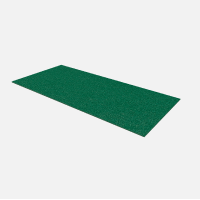
Acoustic foam sheets are continuous, flat sections of foam designed to cover large areas or be cut into custom sizes. They are widely used for filtration in ventilation ducts, machinery housings, and liquid treatment systems. Their flexibility makes them suitable for lining uneven surfaces while maintaining consistent filtering performance.
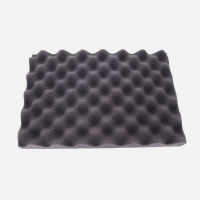
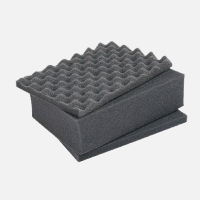
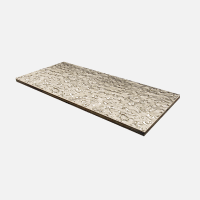
Options such asconvoluted acoustic foam andthick acoustic foam sheets provide varying levels of particle capture. For example, thicker sheets can handle higher volumes of dust, mist, or liquid contaminants, making them effective in heavy-duty industrial settings.
2. Understanding Acoustic Foam Panels
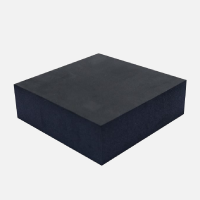
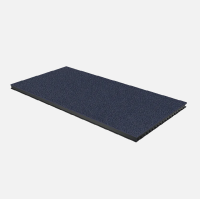
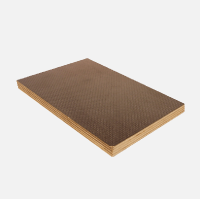
Acoustic foam panels are modular sections, often designed in uniform shapes that can be installed, replaced, or rearranged with ease. While sheets are better for large continuous surfaces, panels excel in targeted applications where filtration is required in specific zones or compartments.
Panels are commonly used in equipment filters, precision air systems, or localized water treatment units. Their structured design allows for easier quality control, making them a practical choice when filtration performance must be monitored consistently.
3. Key Performance Differences
The primary difference between acoustic foam sheets and panels lies in scale and adaptability. Sheets are ideal for facilities needing broad coverage, while panels are suited for systems that require modular control and regular replacement.
-
Sheets: Large-scale, customizable, suited for ductwork and enclosure linings.
-
Panels: Modular, easy to install, replace, and monitor in controlled systems.
Both forms maintain the filtering capabilities of polyurethane foam, but the choice depends on whether broad coverage or precision is the priority.
4. Installation and Flexibility
Acoustic foam sheets offer high flexibility, as they can be trimmed to fit ducts, tanks, or irregular machinery spaces. They are especially valuable when quick retrofits are needed for existing systems.
Acoustic foam panels, on the other hand, provide a more structured installation process. They are designed to slot into frames or compartments, allowing facilities to replace only the affected sections rather than entire sheets. This modularity is ideal for industries requiring frequent maintenance or strict quality control.
5. Durability and Maintenance in Industrial Environments
Durability is critical in industrial environments where foam filters are exposed to moisture, chemicals, dust, and fluctuating airflows. Polyurethane acoustic foam is designed to maintain integrity under pressure, whether installed as a sheet or a panel.
Sheets, because of their continuous surface, are easier to clean and maintain for large-scale applications. Panels, while just as durable, may need more frequent inspection due to their modular setup. Both types can be engineered for resistance to wear and tear, ensuring longer service life and reduced downtime.
6. Cost and Value Considerations
Cost is often a deciding factor when choosing between sheets and panels. Acoustic foam sheets generally offer better value for covering large areas at once, making them a cost-effective solution for widespread filtration needs.
Acoustic foam panels, while carrying a higher per-unit cost, provide long-term savings through easier replacement and reduced waste. Instead of replacing an entire sheet, only the affected panels need to be swapped, lowering maintenance costs over time.
Which Option Fits Different Industrial Applications?
-
HVAC Systems: Sheets provide broad filtration across ducts and vents.
-
Machinery Protection:Panels are effective inside equipment housings where localized filtering is needed.
-
Water Treatment Systems: Thick acoustic foam sheets help trap larger particulates in liquid processes.
-
Dust Control Applications: Convoluted acoustic foam sheets maximize surface area for particle capture.
-
Quality-Sensitive Systems: Panels allow for consistent monitoring and replacement in controlled environments.
The decision ultimately depends on whether an operation prioritizes wide coverage, modular precision, or simplified maintenance.
Choosing the Right Acoustic Foam Solution
Both acoustic foam sheets and panels offer reliable filtration performance across industrial applications. Sheets are the practical choice for large-scale systems requiring broad coverage, while panels excel in modular environments where easy replacement and monitoring are critical.
At TCH, a wide range ofacoustic foam solutions is available to address the unique needs of industrial filtration. Whether the requirement is for flexible sheets that handle heavy-duty workloads or panels that bring precision to specialized equipment, TCH provides filtration materials engineered for performance and durability.
Contact TCH today to find the right acoustic foam solution for your industrial application.
Also read:


