







Packaging is the unsung hero of modern logistics. Whether it’s electronics, machinery components, or fragile industrial products, the right protective material ensures goods reach their destination safely. As industries shift toward efficiency and sustainability, packaging materials are being evaluated for more than just cost—they’re being judged on performance, reusability, and environmental impact.
Among the most compared materials are PE foam and bubble wrap. While both are widely used for cushioning and protection, their performance characteristics differ significantly. Understanding howpolyethylene foam,polyethylene sheets, and bubble wrap function can help businesses make informed decisions that balance protection, sustainability, and operational cost.
Understanding Polyethylene Foam Sheets
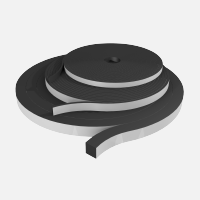
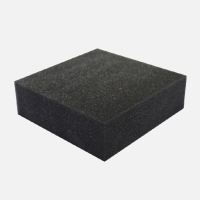
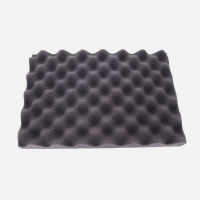
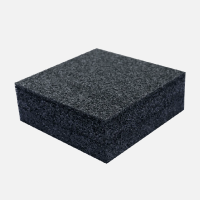
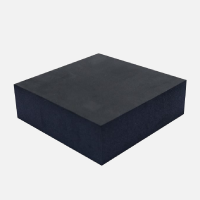
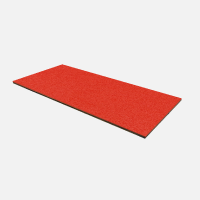
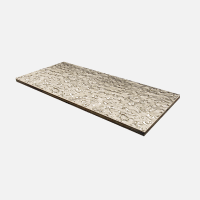
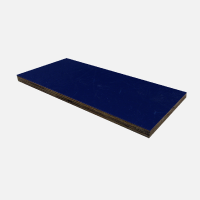
Polyethylene foam sheets are made from closed-cell foam that provides excellent shock absorption and impact resistance. The material is lightweight yet durable, maintaining its shape even after repeated use. Unlike air-filled bubble wrap, polyethylene foam creates a consistent layer of protection that doesn’t deflate or compress easily under pressure.
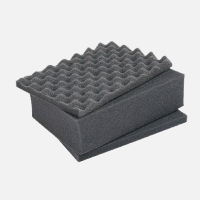
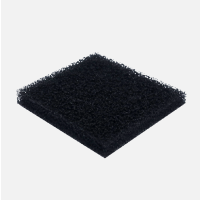
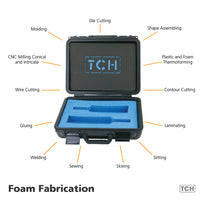
Industries often choose polyethylene foam for packaging delicate electronics, automotive parts, and sensitive equipment. Its flexibility allows it to be custom cut or laminated for specific applications, while polyethylene sheets can be produced in varying densities to suit light, medium, or heavy-duty packaging needs.
Understanding Bubble Wrap
Bubble wrap remains a staple in shipping and packaging because of its simplicity and availability. Made from plastic film with sealed air pockets, it cushions items by trapping air that absorbs impact during handling and transit. The material is easy to wrap around products and is particularly effective for lightweight goods and surface protection.
However, bubble wrap’s air pockets can burst under heavy pressure, reducing its ability to provide consistent cushioning. It’s often considered a single-use packaging material due to its tendency to flatten after use, limiting its reusability in demanding industrial environments.
1. Cushioning Efficiency: Impact Absorption and Shock Resistance
When comparing cushioning performance, polyethylene foam sheets outperform bubble wrap in both impact absorption and recovery. The closed-cell structure of polyethylene foam allows it to absorb shocks without permanent deformation, ensuring repeated protection over multiple uses.
Bubble wrap, while effective against minor bumps, tends to lose air when exposed to sustained pressure or sharp impacts. Once the bubbles burst, its cushioning performance drops significantly. For high-value products or heavy components, foam provides more consistent protection and minimizes the risk of damage from repeated handling or vibration.
2. Durability and Reusability: Which Lasts Longer?
Durability is one of the strongest advantages of polyethylene foam sheets. Their dense structure resists tearing, compression, and moisture absorption, making them ideal for repeated packaging cycles. This durability makes foam a cost-effective long-term choice for industries that prioritize reusability.
Bubble wrap, in contrast, is more prone to punctures and degradation. Its thin plastic film can easily rip or lose air, limiting its use to short-term applications. For companies looking to reduce material waste and replacement frequency, foam stands out as the more sustainable and durable option.
3. Space and Storage Considerations
Storage efficiency often influences packaging decisions. Bubble wrap is flexible and lightweight, but tends to take up more space due to its bulky air pockets. Even when rolled, it occupies significant storage volume.
Polyethylene foam sheets, however, can be supplied in roll, sheet, or plank form and stacked more efficiently. Their uniform structure allows them to compress neatly, saving warehouse space. Additionally, foam sheets can be cut into precise sizes, reducing waste during use.
4. Environmental Impact: Foam vs. Plastic Film
Both polyethylene foam and bubble wrap are recyclable materials, but their environmental footprints differ. Bubble wrap is often made from low-density polyethylene (LDPE), which can be recycled but requires specialized facilities. Unfortunately, due to contamination and limited recycling access, much of it ends up in landfills.
Polyethylene foam, including polyethylene sheets, has a longer life cycle and can be reused multiple times before recycling. Many manufacturers, including Canadian suppliers, now produce foam using eco-conscious processes or partially recycled materials. By extending product life and reducing waste, foam packaging offers better alignment with sustainable packaging initiatives.
5. Cost Efficiency and Application-Specific Value
When cost is viewed solely from a short-term perspective, bubble wrap may appear cheaper. However, factoring in durability and reusability shifts the value equation in favor of foam. Polyethylene foam sheets can be reused across multiple shipping cycles, significantly lowering long-term costs.
Foam’s versatility also provides value in specialized applications—it can be cut, shaped, laminated, or even combined with other protective layers. Bubble wrap, on the other hand, remains limited to lightweight and one-time use scenarios, offering less flexibility in industrial operations.
When to Choose Polyethylene Foam Sheets Over Bubble Wrap
Foam is ideal when protection, durability, and reusability are key requirements. It excels in packaging sensitive or heavy products such as electronics, medical instruments, and automotive components. For returnable packaging systems or high-value shipments, polyethylene foam sheets offer unmatched reliability.
Its ability to resist moisture and maintain performance in varying temperatures also makes it suitable for long-distance transport or export packaging. In sectors where product integrity and presentation matter, foam provides a clean, professional appearance that bubble wrap cannot match.
Also read:7 Key Benefits of Using PE Foam for Packaging and Protection
When Bubble Wrap Still Works Best
Despite its limitations, bubble wrap continues to serve a purpose. It’s cost-effective for lightweight and low-risk items such as retail products, furniture, or household goods. It also provides quick surface protection for scratch-sensitive materials like glass or painted finishes. For operations focused on short-distance shipping or single-use packaging, bubble wrap remains a practical choice.
The Smarter Cushioning Choice for Modern Packaging
Both materials have their place in packaging, but polyethylene foam sheets clearly deliver greater long-term value through durability, reusability, and consistent cushioning. For operations where reliability and sustainability intersect, foam offers measurable performance benefits that bubble wrap cannot match.
At TCH, a range of polyethylene foam products—including polyethylene sheets, polyethylene foam sheets, andpolyethylene plank foam—is engineered to meet diverse industrial needs. From custom-fit solutions to sustainable packaging options, TCH ensures every shipment arrives safe, efficient, and secure.
Contact TCH today to find the right polyethylene packaging foam for your application.


