






Enclosures are protective boxes used to cover electrical or electronic equipment. They protect components from dust, water, damage, and harsh environments, helping systems work safely and last longer.





Enclosures are protective boxes used to cover electrical or electronic equipment. They protect components from dust, water, damage, and harsh environments, helping systems work safely and last longer.
Enclosures are vital components of commercial electrical systems, widely used across sectors such as industrial automation, manufacturing, telecommunications, and renewable energy.
Enclosures are made from materials like molded plastic, polycarbonate, fiberglass, aluminum, and stainless steel. Each material offers different benefits such as durability, lightweight design, or corrosion resistance.
IP rating (Ingress Protection) shows how well an enclosure seals against dust and water. The first digit represents protection against solid objects, while the second digit indicates liquid protection. A higher IP rating means better protection, which is important for outdoor or industrial use.
You should choose an enclosure based on:
Environment (indoor or outdoor)
Exposure to dust, water, or chemicals
Required size and mounting type
Material strength and durability
Selecting the right enclosure ensures better performance and safety.
Non-metallic enclosures are lightweight, corrosion-resistant, and non-conductive, making them ideal for harsh environments. Metal enclosures are stronger and better for heavy-duty applications.
Yes, most enclosures can be customized in size, material, cut outs, and design. Customization helps meet specific industrial or commercial requirements.
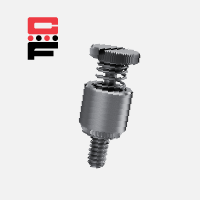
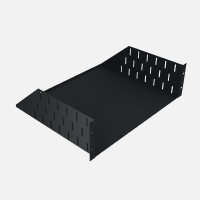
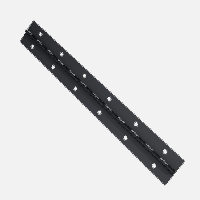
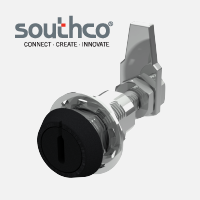
Yes, TCH offers a range of Italtronic enclosure accessories, including internal panels, vented covers, mounting frames, and other modular accessories. Refer to the individual product pages for available options. These accessories let you configure the enclosure interior to fit PCBs, connectors, and wiring.
TCH enclosures serve a wide range of sectors, including industrial automation and manufacturing, building and home automation (BMS/HVAC), telecommunications infrastructure, renewable energy systems (solar inverters, controllers), medical device manufacturing, and IoT/edge computing deployments where Raspberry Pi or similar SBCs are used in protective housings.
You can add in-stock enclosures directly to your cart on us.tchweb.com. For items listed as 'out of stock' or for bulk/custom orders, use the 'Request Quote' button on the product page or visit the Get Quote page.
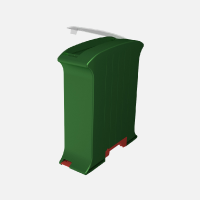
TCH carries a wide variety of enclosures of various sizes, materials, and finishes. DIN Rail enclosures are new industrial and home & building automation enclosures. TCH carries wall-mounting and panel mounting enclosures.