

Free shipping* on website orders over $100 | $15 shipping on orders over $50. (Extrusion, Laminate Panels and sheet foam are excluded from free shipping).

Search

Acoustic Foam

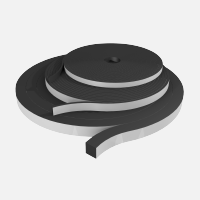
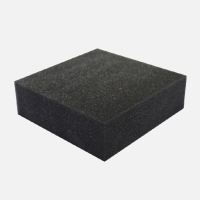
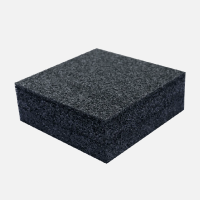
1/2" thick Acoustic Charcoal Foam
Quick View
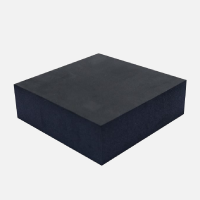
1/4" thick Acoustic Charcoal Foam
Quick View

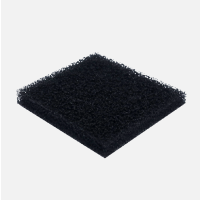
Reticulated filter/acoustic foam is an open-cell, porous, lightweight material made from polyurethane. It is characterized by its interconnected network of skeletal strands, which provides efficient filtration, high airflow, and excellent mechanical strength. Commonly used in air and water filtration systems, this versatile foam can also be found in aquatic filters, speaker grilles, outdoor furniture, and automotive applications. Its durability, chemical resistance, and ability to be easily cleaned or replaced make it a popular choice for various industries. Reticulated filter foam is available in different pore sizes and densities, allowing customization based on specific needs.


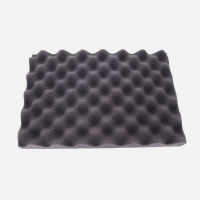
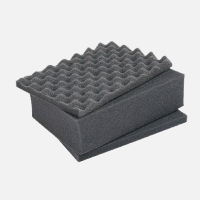
If manufacturers are looking for superior acoustic foam sheets, then TCH is the supplier they should rely on. With years of experience and a dedication to quality, TCH takes great pride in providing top notch acoustics foam solutions with our foam sheets. Because our inventory of polyurethane acoustic foam is made with evenly distributed production grade metal particles, they can be used for both air and water filtering for air intakes, electronic cabinets, extractor units, HVAC systems and more. Another benefit of using TCH as a supplier for convoluted acoustic foam is our commitment to customer service; this means that when something needs adjusting or replacing, it can be done quickly and with no hassle or fuss. When looking for acoustic foam in Canada and the USA contact TCH today.

FAQs About Acoustic Foam

What is acoustic foam?

Acoustic foam is an open-cell foam material designed to absorb sound waves, reducing echo and improving sound clarity within a room. It's commonly used in recording studios, home theaters, offices, and other environments where sound quality is important.

How does acoustic foam work?

Acoustic foam works by dissipating sound energy as heat through its porous structure. When sound waves enter the foam, they are trapped and converted, reducing reflections and reverberations in the space. This process enhances audio clarity and overall acoustics.

Is acoustic foam the same as soundproofing?

No, acoustic foam is designed for sound absorption, not soundproofing. While it reduces echo and improves sound quality within a room, it does not block sound from entering or leaving the space. Soundproofing requires materials and construction techniques that isolate sound transmission.

What are the common applications of acoustic foam?

Acoustic foam is used in various applications, including:


  • Recording studios: To control sound reflections and improve recording quality.
  • Home theaters: Enhancing audio clarity and reducing echo for an immersive experience.
  • Offices: Minimizing background noise and improving speech intelligibility.
  • Broadcasting stations: Ensuring clear audio transmission and reducing unwanted noise.
  • Rehearsal spaces: Providing a controlled acoustic environment for musicians and performers.

How do I install acoustic foam?

Installing acoustic foam is straightforward:


  1. Clean the surface: Ensure the wall or ceiling is clean and dry.

  2. Measure and mark: Determine the placement of the foam panels.

  3. Apply adhesive: Use spray adhesive or double-sided tape suitable for foam.

  4. Attach panels: Press the foam firmly against the surface and hold for a few seconds.

For best results, place panels at first reflection points and corners.

Can acoustic foam be painted?

It's not recommended to paint acoustic foam, as it can block the pores and reduce its sound absorption capabilities. However, you can cover it with a breathable fabric to match your decor. Ensure the fabric allows sound to pass through effectively.

Is acoustic foam fire-resistant?

Many acoustic foam products are treated with fire retardants to enhance safety. However, it's essential to check the product specifications for fire ratings. Some foams may not have fire retardant properties, so always verify before purchasing.

How thick should acoustic foam be?

The thickness of acoustic foam determines its effectiveness across different frequencies:


  • 1-inch panels: Best for absorbing high frequencies and speech.
  • 2-inch panels: Effective for mid- and high frequencies.
  • Thicker panels or bass traps: Designed to absorb low frequencies in studios and home theaters.

Does acoustic foam help with soundproofing?

Acoustic foam improves sound quality within a room by reducing echo and reverberation. However, it does not block sound from entering or leaving the space. For soundproofing, additional materials and construction methods are required.

How much acoustic foam do I need?

The amount of acoustic foam needed depends on the room size and desired sound treatment:


  • 25% to 50% coverage: Suitable for jazz, classical, and similar music styles.
  • 50% to 75% coverage: Recommended for rock, pop, techno, and other musical styles with varying sound waves.

Can acoustic foam be used outdoors?

Acoustic foam is designed for indoor use. Exposure to outdoor elements can degrade its performance and lifespan. For outdoor applications, consider using weather-resistant materials specifically designed for such environments.