







Durability is a defining factor when selecting materials for industrial, commercial, and construction projects. From transportation interiors to heavy-duty enclosures, panel materials must withstand demanding environments without warping, cracking, or weakening. Many industries rely on an ABS plastic sheet because of its balance of strength, rigidity, and impact absorption, but PVC panels also bring reliable performance in several applications. Understanding how both materials behave under pressure is essential for choosing the right solution.
Harsh environments introduce a wide range of challenges—temperature shifts, heavy impacts, moisture exposure, and chemical contact. The performance of the panel material directly influences equipment longevity, maintenance requirements, and operational safety. This comparison provides a closer look at ABS and PVC panels to determine which material holds up better under various conditions.
Understanding the Basics: What Are ABS Panels and PVC Panels?
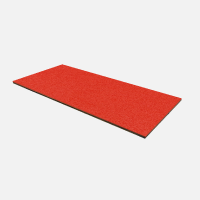
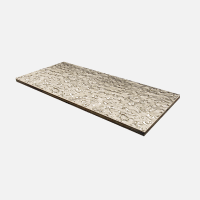
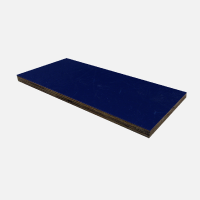
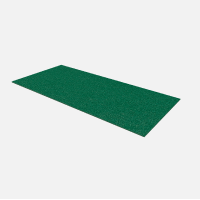
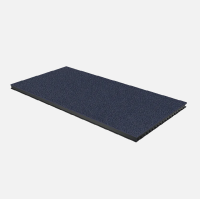
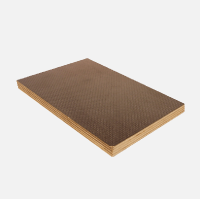
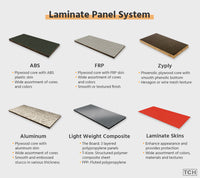
ABS panels are manufactured from Acrylonitrile-Butadiene-Styrene, a thermoplastic known for its toughness and structural stability. The material is also available in formats such asABS laminate andABS laminated plywood, making it versatile for industries that require layered or reinforced configurations.
PVC (Polyvinyl Chloride) panels, on the other hand, offer a lightweight and moisture-resistant profile. Their chemical composition provides them with flexibility for non-load-bearing applications, especially where corrosion resistance is a major requirement.
Both materials serve similar markets, but their core characteristics differ significantly, shaping how they perform in demanding environments.
Comparing Core Properties: Strength, Weight, and Impact Resistance
ABS panels offer superior impact resistance due to the presence of butadiene, which gives the material its notable toughness and shock-absorbing capability. This makes ABS suitable for environments where panels are frequently bumped, hit, or stressed.
PVC panels are lighter and more flexible but generally less impact-resistant. While they can withstand light impacts well, they may not maintain equal strength under repeated mechanical stress or heavy loads.
Weight is another distinguishing factor. PVC is lighter, making it ideal for installations where weight reduction is a priority. ABS delivers a stronger, more rigid structure but is moderately heavier.
Durability Under Pressure: How Each Material Performs in Harsh Environments
ABS is engineered for rugged conditions and demonstrates excellent durability across wide temperature ranges. Its structural integrity remains stable even under fluctuating climates or physical stress.
PVC also performs reliably but has limitations in extremely high-temperature environments. Under intense heat, PVC may soften or deform, reducing its suitability for applications requiring thermal stability.
When durability is measured by long-term resilience, ABS maintains its performance and shape more consistently in harsh settings.
Moisture and Chemical Resistance: The Critical Difference
PVC panels excel in moisture-rich environments. Their water-resistant nature makes them common in agricultural, sanitation, food-processing, and wash-down areas. The material does not absorb water and is resistant to mold and corrosion.
ABS panels offer respectable moisture resistance but do not match PVC in constant-exposure situations. When it comes to chemical resistance, ABS performs well against many cleaning agents and oils, but PVC generally offers broader protection against corrosive chemicals.
The decision often depends on the environment—ABS for impact-heavy, high-temperature spaces; PVC for consistent moisture or chemical exposure.
Applications: Where ABS and PVC Panels Excel
ABS panels are frequently chosen for:
-
Automotive and transportation interiors
-
Equipment housings and protective casings
-
Industrial machine guards
-
Structural components requiring rigidity
ABS laminate and ABS-laminated plywood are standard in sectors that require layered strength, such as commercial interiors and fabrication projects.
PVC panels are preferred in:
-
Agricultural facilities
-
Food-grade environments
-
Moisture-heavy industrial zones
-
Utility spaces and chemical-processing areas
Each material has a clear niche, and performance requirements drive the ideal selection.
Installation and Maintenance Considerations
ABS panels offer simpler machining, drilling, and thermoforming capabilities. Their structural strength allows clean edges and stable fastener support.
PVC panels are easier to cut and install for lightweight setups, but may require reinforcement if used in impact-prone environments.
Maintenance for both materials is minimal, although ABS may require more careful cleaning depending on the chemicals used.
Cost vs. Performance: Finding the Right Balance
PVC panels are generally more cost-effective upfront, making them attractive for projects prioritizing budget without compromising moisture resistance.
ABS panels may cost more initially due to their durability and impact resistance. However, their long-term performance often results in lower replacement and repair expenses.
Environmental Impact and Recyclability
Both ABS and PVC have recycling pathways, but ABS is more commonly recycled in industrial settings due to its consistent thermal properties. PVC recycling requires specialized processes, as chlorine content must be managed carefully.
Sustainability goals may influence material selection, particularly in large-scale manufacturing.
Expert Insights: What Industrial Hardware Suppliers Recommend
Industrial hardware suppliers often recommend ABS panels for applications where impact resistance, rigidity, and long-term dimensional stability are crucial. Industries dealing with vibration, heavy equipment, or temperature variation tend to favor ABS for its resilience.
PVC panels are recommended when corrosion resistance, moisture protection, and lightweight installation are primary concerns.
Manufacturers rely on performance testing and environmental demands to guide these recommendations.
Final Decision: Choosing the Right Panel for Harsh Environments
Selecting between ABS panels and PVC panels requires evaluating the specific conditions the material will face. ABS offers superior strength, impact resistance, and temperature stability, while PVC excels in moisture-rich and chemically intense environments. For projects requiring long-term durability, many industries rely on ABS solutions, especially whenABS sheets deliver the required structural performance.
For dependable materials built to withstand demanding conditions, TCH offers high-quality solutions for industrial reliability.
Contact TCH today to source durable panel materials that ensure lasting performance in harsh environments.
Also read: Acoustic Foam Sheets vs. Panels: Which Is Better for Industrial Applications?


