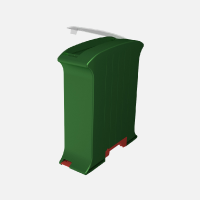


Barrier blocks are electrical connection devices designed to securely terminate and distribute wiring in power distribution, industrial control systems, HVAC equipment, automation panels, and electronic devices. They feature insulated barriers between terminals to prevent accidental contact and short circuits.
A barrier block is a type of terminal block that includes molded insulating barriers between connection points. These barriers improve safety by reducing the risk of wires or conductors coming into contact with adjacent circuits
Barrier blocks are commonly used in industrial control panels, power supplies, electronic equipment, HVAC systems, machinery, and automation applications requiring secure wire termination.
Barrier blocks provide reliable electrical connections, improved wiring organization, enhanced safety through insulated barriers, easier maintenance, and availability in a range of current and circuit configurations to support different application requirements.
Some barrier blocks are designed for higher-current applications, while others are intended for lower-current circuits. Always select a barrier block based on the voltage, current, wire size, and application requirements specified for the product.
Barrier blocks are available in a variety of circuit configurations, including covered and panel-mounted designs. Each type is designed for specific installation and wiring requirements.
Covered barrier blocks include a transparent protective cover that helps prevent accidental contact with energized terminals and exposed screws, improving operator safety.
Barrier blocks are commonly manufactured using durable insulating materials such as nylon, with brass or other conductive metal contacts. Material specifications vary by product. Refer to individual product listings for details.
When selecting a barrier block, consider current rating, voltage rating, wire size, mounting style, terminal spacing (pitch), number of circuits, environmental conditions, and any applicable industry certifications.
Certification and compliance requirements vary by product. Refer to the individual product specifications for applicable standards, approvals and certifications.
Barrier blocks are commonly used in industrial automation, electrical distribution, telecommunications, renewable energy systems, transportation equipment, building controls, and consumer electronics manufacturing.
Yes, Barrier blocks provide clearly organized wiring points, making it easier to identify circuits, perform maintenance, replace components, and troubleshoot electrical systems without disturbing surrounding connections.