






Mobility is one of the most valuable assets inside a manufacturing plant. Materials, tools, and equipment must move quickly and safely from one stage of production to another, and any delay can slow down an entire workflow. This is where casters play a crucial role. These small but powerful components allow heavy loads, machinery, and transport carts to move smoothly, reducing strain on workers and improving process flow.
Manufacturing facilities are increasingly prioritizing speed, flexibility, and reliability. When the rightcaster wheels support equipment, operations become easier to manage, safer to navigate, and more efficient overall. Understanding how industrial casters contribute to these improvements is essential for facilities aiming to enhance productivity.
Understanding Industrial Caster Wheels and Their Role in Manufacturing
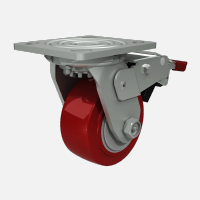
Industrial caster wheels are mechanical components designed to support loads while allowing multidirectional movement. They are typically attached to carts, racks, dollies, assembly platforms, and a wide range of mobile equipment used across production floors.
Casters serve two essential purposes: enabling mobility and reducing manual handling efforts. Their design determines how smoothly equipment travels, how much weight it can support, and how effectively a facility can respond to operational demands.
Core Benefits: How Caster Wheels Enhance Manufacturing Efficiency
Industrial caster wheels offer significant advantages that help streamline day-to-day operations:
-
Faster movement of materials across workstations
-
Reduced downtime, as items can be transported without unnecessary lifting
-
Improved ergonomics, lowering physical strain on workers
-
Higher productivity, as staff can complete tasks with fewer delays
These benefits create a manufacturing environment that supports better coordination, higher throughput, and consistent performance.
To learn more about the benefits of the rubber caster wheels, read our blog here.
The Engineering Behind Industrial Caster Wheels
Caster wheels are engineered to deliver stability and smooth movement across a range of industrial surfaces. Several components contribute to their effectiveness:
-
The wheel material, which determines load handling and floor protection
-
Bearing type, influencing rolling resistance, and long-term performance
-
Frame design, built to support pressure, vibration, and movement
-
Swivel mechanism, allowing rotation for tight turns and flexible steering
Industrial casters integrate these elements to carry significant weight, absorb impact, and withstand continuous operation.
Rubber Caster Wheels: Balancing Durability and Floor Protection
Arubber caster wheel is widely used in manufacturing settings where noise reduction, shock absorption, and floor surface protection are priorities. Rubber provides excellent grip and stability, especially on concrete, epoxy-coated floors, or smooth production surfaces.
Key advantages include:
-
Reduced vibration during movement
-
Gentle contact with flooring materials
-
Better noise control in busy facilities
-
Smoother maneuverability around workstations
Rubber caster wheels are ideal for environments that handle delicate parts, operate on polished floors, or require quieter equipment movement.
Side Mount Casters: Maximizing Flexibility in Tight Spaces
Installation options significantly influence mobility, and side-mounted designs offer unique advantages.Side mount casters attach horizontally along equipment frames, making them suitable for narrow aisles, compact carts, and specialized machinery.
Their benefits include:
-
Enhanced directional control
-
Lower mounting height requirements
-
Increased flexibility for custom-built equipment
-
Better maneuvering in confined production zones
This configuration allows teams to move equipment in ways that standard mounting systems may limit, offering greater adaptability in space-constrained manufacturing areas.
Load Capacity and Safety Considerations
Every industrial caster wheel must be matched to the load it is expected to support. Load ratings depend on:
-
Wheel diameter
-
Material strength
-
Bearing type
-
Frame and mounting structure
Underrated casters can lead to premature failure, operational delays, or safety risks. Proper load assessment ensures reliable performance and reduces wear on both equipment and flooring.
Improving Workflow with Caster Wheel Optimization
Optimizing caster selection enhances workflow by enabling smoother transitions across production stages. The right caster wheels help reduce bottlenecks by:
-
Ensuring consistent movement of raw materials
-
Supporting faster assembly line changes
-
Allowing equipment repositioning without extensive manpower
-
Improving access to storage and staging areas
Well-chosen casters also increase uptime, as equipment becomes easier to maintain, relocate, or modify based on production needs.
Selecting the Right Industrial Casters for Your Facility
Choosing appropriate industrial casters depends on several factors:
-
Floor condition
-
Required mobility
-
Environmental hazards
-
Noise control expectations
-
Load weight and distribution
-
Temperature and chemical exposure
Facilities operating in rugged environments require heavy-duty caster wheels with metal or reinforced rubber construction. Lighter applications may use rubber or polyurethane casters for quieter, smoother handling.
Maintenance and Lifecycle Management
Maintaining caster wheels ensures long-term reliability. Routine checks typically include:
-
Inspecting bearings for wear
-
Cleaning debris lodged in wheel treads
-
Tightening mounting hardware
-
Replacing worn wheels before they compromise safety
A well-maintained caster system supports uninterrupted productivity and extends the operational life of industrial equipment.
Big Impact from a Small Component: Enhancing Plant Mobility and Safety
Industrial caster wheels may be compact, but their influence on productivity is significant. They support smoother mobility, better workflow efficiency, and safer handling of heavy loads. For many manufacturing plants, the right combination of caster wheels—including rubber casters for floor protection and side-mount casters for tight spaces—creates a flexible, efficient operational environment.
For manufacturing facilities seeking to improve equipment mobility and streamline operations, TCH offers durable, dependable caster solutions engineered for industrial performance.
Contact TCH today to source high-quality caster systems designed to support demanding manufacturing environments.


